Allen School researchers are at the forefront of exciting developments in AI spanning machine learning, computer vision, natural language processing, robotics and more.
We cultivate a deeper understanding of the science and potential impact of rapidly evolving technologies, such as large language models and generative AI, while developing practical tools for their ethical and responsible application in a variety of domains — from biomedical research and disaster response, to autonomous vehicles and urban planning.
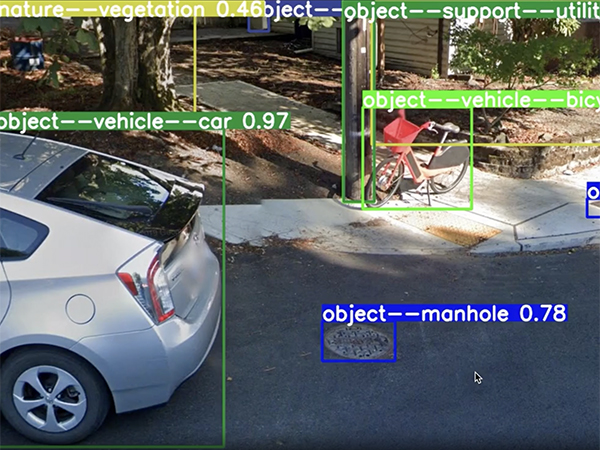
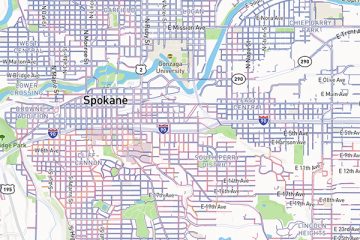
The Makeability Lab specializes in Human-Computer Interaction and applied machine learning for high-impact problems in accessibility, computational urban science, and augmented reality.
Center for Research and Education on Accessible Technology and Experiences (CREATE)
The mission of the UW Center for Research and Education on Accessible Technology and Experiences (CREATE) is to make technology accessible and the world accessible through technology. By bringing together researchers from across the campus, CREATE harnesses the diverse expertise necessary to realize a more just and equitable technological future, one that overcomes existing barriers and ensures new ones do not arise.
The interdisciplinary DUB group at the University of Washington advances research, collaboration and teaching related to the interaction between design, people, and technology.
For her groundbreaking research on explainable AI for biology and medicine, Lee, who directs the UW’s AI for bioMedical Sciences Lab, was named a Fellow of the International Society for Computational Biology (ISCB).
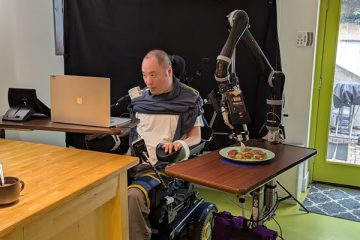
The lived experiences of people with disabilities are often ignored in the development of new technologies, but that’s not the case with the Allen School’s ADA project. Community researcher Jonathan Ko joined recent Ph.D. alum Amal Nanavati to discuss their collaboration.
The Taskar Center for Accessible Technology created the first statewide data set enabling communities across Washington to map pedestrian infrastructure and transit access — which paves the way for exploring other questions such as access to schools, grocery stores and health care.